Stream It or Leave It? 5 Questions to Ask About Your Church Livestream

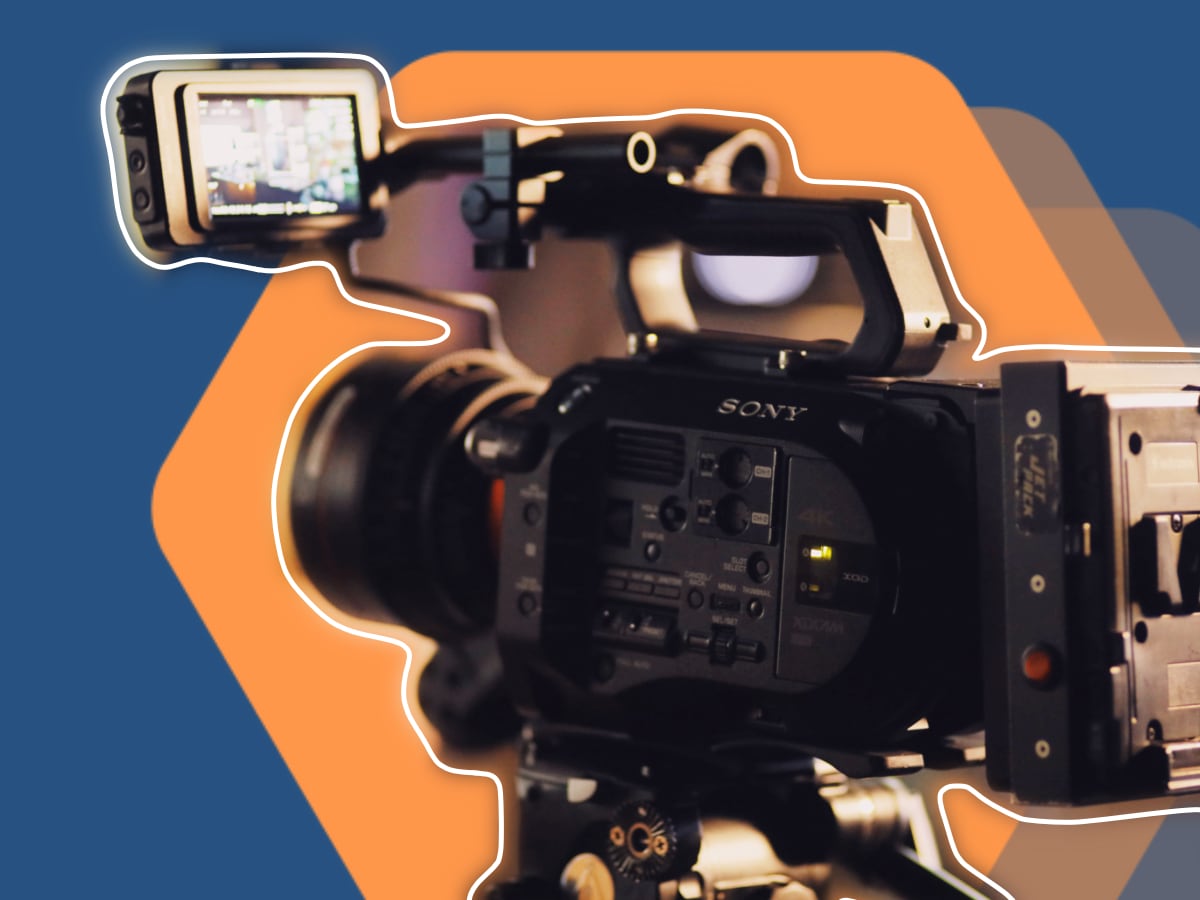
Does your church livestream its service? If you're like a lot of churches today you probably do!
There was a time when live streaming was completely necessary. This article is not intended to sway you one way or the other, but to present you with all of the essential questions to ask yourself when considering if church live-streaming is still worth it for your church or if there's a better way to connect with people today.
Let's dive into the 5 questions you should ask about your church livestream and decide whether your church should stream it... or leave it.
1. Who Is the Livestream For?
Is your livestream intended for members who can't be there in person? Or is this part of a larger media footprint you want to develop for your church?
Church Members
For church members, a church livestream should provide an avenue to stay connected with the body for those unable to attend services physically due to health concerns, travel, or other commitments.
Is that the case for your church's livestream? If not, what would make the livestream worth it for members to tune in?
Potential Visitors
For potential visitors, a church livestream acts as a digital front door, giving visitors a feel for the church’s culture, worship style, and messages. It can be an excellent tool for outreach and welcoming new members who might be hesitant to attend in person initially.
Does your livestream leave a strong, positive impression of your church? Would someone unfamiliar with your church watching feel like visiting your church after watching?

2. Are People Watching (And Liking) It?
How many viewers does your church have tuning in on average? Are they actively engaging with your church after the livestream is over?
Positive Engagement
Since the COVID-19 pandemic, livestreaming has become a crucial tool for some churches. As of 2024, 97% of churches offer livestream services, a significant increase from 22% before the pandemic. Some churches even report reaching larger audiences than they did with in-person services alone (Altar Live).
Are enough people watching each week to justify the time and effort you're putting into your livestream?
Challenges
However, there are concerns that livestreaming might encourage churchgoers to be passive spectators rather than active participants in the body. Is livestreaming effective in growing the body or is it simply feeding into the consumer culture of the day?
What about potential visitors who keep scrolling because they're not interested in your church's announcements? Past studies show that the average attention span for watching videos has decreased from 2.5 minutes in 2004 to 47 seconds today. Wow!
This short attention span means engaging viewers effectively within the first minute is crucial (Altar Live)
Cost-Benefit Analysis
Consider the costs:
- High-quality cameras
- Microphones
- Streaming software
- The manpower needed to operate it all
This can be significant, especially for smaller churches. Some churches have multi-camera setups that cost thousands of dollars, sometimes more, while others stream with their cellphones in the front row. Despite their stark differences, the cost-to-benefit ratio must be considered from both perspectives.
Is the great quality of the live stream worth the cost to stream? Is the quality of the live stream good enough to engage potential viewers?
Quality Concerns
The quality of the live stream is important. Poor audio and video quality leaves a bad impression and can deter potential visitors from ever committing to an in-person visit.
Most churches don't have people in leadership with experience in digital tech, so the question becomes: Is live streaming still worth it, especially if we cannot do it effectively? Here's the real question: Are we playing copycat with mega-churches because we think this is the only way to grow the church?

3. What Can You Do To Make it Better?
If you've answered the last two questions and concluded that you're sticking with the livestream, then it's time to turn our attention to the quality of the stream.
Potential visitors aren't expecting a Hollywood film-quality live stream, but it needs understandable audio and footage that's easy to digest.
Improvement Strategies
Maybe the solution isn't to leave live streaming altogether but to improve your current one.
Have you or anyone else on your team done further research on techniques or technology that could improve the quality of the broadcast beyond when you first set it up? Improving the quality of your live stream can be achieved through relatively simple steps like upgrading your equipment, using better lighting, and investing in good microphones.

4. Are There Better Alternatives for Your Church?
If you've answered the last few questions and concluded that the livestream isn't worth it for your church, let's explore alternative options.
Are there resources that could more cost-effectively get the message out?
Social Media and Other Platforms
Instead of live streaming, consider other ways to engage your audience. This could be shifting to an Audio Live-Stream, redoing your website, advertising on Instagram or Facebook, creating a daily devotional/prayer podcast, and so much more!
Platforms like Instagram and Facebook can be used to share shorter, more direct messages. Viewers are more likely to remain engaged and enquire about more information after watching a shorter Instagram reel than catching the announcements section of your livestream.
Andrew, from Anthem Church, said it this way in his statement to his congregation about choosing to forego live streaming:
Think outside the box and have fun with it! Maybe take your shot at your first TikTok video!

5. Is Live Streaming Worth It for Your Church?
Measuring the success of your live stream is essential for churches to make the best, informed decision.
One approach is to monitor conversion rates, observing how many online viewers transition into active participants within the congregation, whether by attending in-person services or engaging in other church activities.
Additionally, feedback from viewers can offer valuable insights into what aspects of the livestream connect best with the audience, or where there may be room for improvement.
If you're moderating a feed of passive viewers and not building engaged disciples... is it worth it?

It's Time to Evaluate Your Church's Livestream
Whether you continue live streaming, improve your current setup, or explore alternative digital strategies, remember the key is to get the message out and connect with others.
Livestreaming may offer numerous benefits, such as providing further outreach opportunities and accommodating those unable to attend in person. However, it also presents challenges like a decline in face-to-face fellowship and the risk of creating passive congregants.
Don't be afraid to explore other digital avenues to connect with your community, and beyond!